
Close Menu
    Facebook X (Twitter) Instagram
    • About
    • Privacy Policy
    • Contact Us
    Tuesday, November 11
    Facebook X (Twitter) Instagram
    codeblib.comcodeblib.com
    • Web Development

      Building a Headless Shopify Store with Next.js 16: A Step-by-Step Guide

      October 28, 2025

      Dark Mode the Modern Way: Using the CSS light-dark() Function

      October 26, 2025

      The CSS if() Function Has Arrived: Conditional Styling Without JavaScript

      October 24, 2025

      Voice Search Optimization for Web Developers: Building Voice-Friendly Websites in the Age of Conversational AI

      October 20, 2025

      Voice Search Optimization: How AI Is Changing Search Behavior

      October 19, 2025
    • Mobile Development

      The Future of Progressive Web Apps: Are PWAs the End of Native Apps?

      November 3, 2025

      How Progressive Web Apps Supercharge SEO, Speed, and Conversions

      November 2, 2025

      How to Build a Progressive Web App with Next.js 16 (Complete Guide)

      November 1, 2025

      PWA Progressive Web Apps: The Secret Sauce Behind Modern Web Experiences

      October 31, 2025

      Progressive Web App (PWA) Explained: Why They’re Changing the Web in 2025

      October 30, 2025
    • Career & Industry

      AI Pair Programmers: Will ChatGPT Replace Junior Developers by 2030?

      April 7, 2025

      The Rise of Developer Advocacy: How to Transition from Coding to Evangelism

      February 28, 2025

      Future-Proofing Tech Careers: Skills to Survive Automation (Beyond Coding)

      February 22, 2025

      How to Build a Compelling Developer Portfolio: A Comprehensive Guide

      October 15, 2024

      The Future of Web Development: Trends to Watch in 2025

      October 15, 2024
    • Tools & Technologies

      Top 10 Use-Cases of Aera Browser for Developers

      November 11, 2025

      How Aera Browser Enables No-Code Automation for Marketers

      November 9, 2025

      The AI Browser War: Aera Browser vs Atlas Browser

      November 7, 2025

      Cursor 2.0 Released: Faster, Smarter, and More Agentic Than Ever

      November 6, 2025

      Aera Browser: The AI-Powered Revolution Changing How We Browse the Web

      November 4, 2025
    codeblib.comcodeblib.com
    Home»Mobile Development»TWA vs PWA: When to Use Trusted Web Activities for Android Apps
    Mobile Development

    TWA vs PWA: When to Use Trusted Web Activities for Android Apps

    codeblibBy codeblibMarch 4, 2025No Comments3 Mins Read
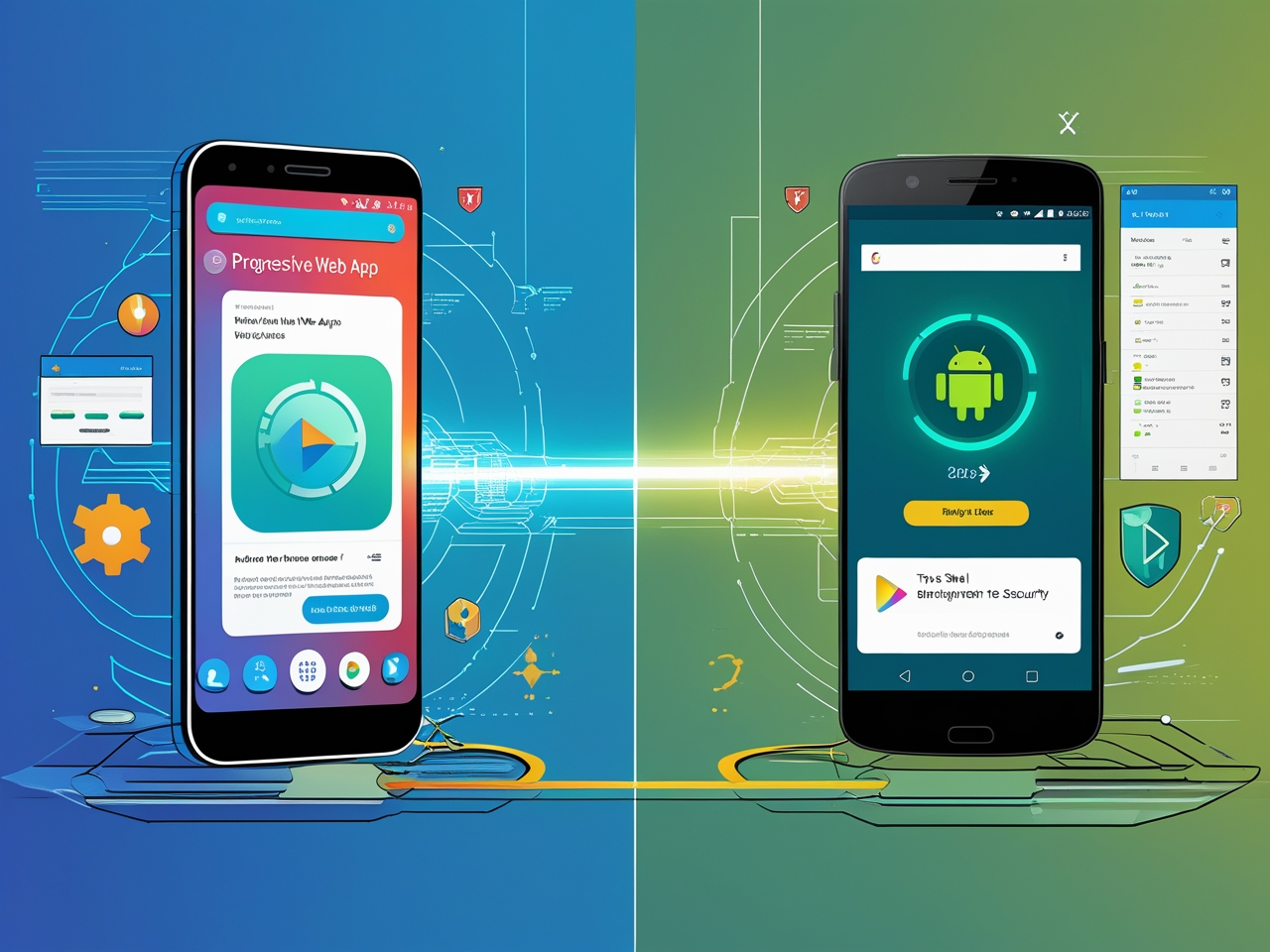
    Developer comparing TWA and PWA architecture diagrams.
    Developer comparing TWA and PWA architecture diagrams.
    Share
    Facebook Twitter LinkedIn Pinterest Email Copy Link

    Introduction

    As mobile app development evolves, developers face a critical choice: build a Progressive Web App (PWA) or leverage Trusted Web Activities (TWA) to blend web and native Android experiences. With 65% of users preferring apps that feel “native” (Statista, 2023), understanding these technologies is key. This guide breaks down TWA and PWA, their strengths, and when to choose one over the other.

    What is a Progressive Web App (PWA)?

    A Progressive Web App is a web application that mimics native app functionality using modern web technologies like service workers and web manifests. Key features:

    • Offline Functionality: Works without internet via cached data.
    • Installable: Users can “add to home screen” from browsers.
    • Cross-Platform: Runs on any device with a modern browser.

    Example: Twitter Lite uses PWA to deliver fast performance on low-end devices.

    What is a Trusted Web Activity (TWA)?

    A Trusted Web Activity is a hybrid approach that embeds a PWA into a native Android app shell. It uses Chrome Custom Tabs to run your web app within an Android app, allowing distribution via the Google Play Store. Key traits:

    • Native Feel: Appears as a standalone Android app.
    • Play Store Presence: Listed alongside native apps.
    • Limited Native Integration: Access to select Android APIs via the browser.

    Use Case: Starbucks uses TWA to deploy their web-based rewards program as a Play Store app.

    TWA vs PWA: Key Differences

    FeaturePWATWA
    DistributionWeb browsersGoogle Play Store
    Installation“Add to Home Screen” promptAPK download from Play Store
    Native FeaturesLimited (via browser APIs)Basic access (e.g., notifications, camera)
    Development CostLower (web-only)Higher (requires Android shell)
    UpdatesInstant (server-side)Requires Play Store approval

    When to Use TWA Over PWA

    1. Play Store Visibility is Critical
      • TWAs let you tap into the Play Store’s 3.5 billion+ active users.
    2. Brand Trust Matters
      • Users often trust apps downloaded from official stores more than web links.
    3. Basic Native Features Are Needed
      • Use TWA if your app requires Android-specific APIs (e.g., biometric authentication).
    4. Hybrid Approach for Cost Efficiency
      • Maintain a single web codebase while reaching Android users natively.

    Avoid TWA If:

    • Your app needs deep OS integration (e.g., Bluetooth, background services).
    • You prioritize instant updates over Play Store delays.

    How to Implement TWA for Android Apps

    Step 1: Build Your PWA

    Ensure your web app is PWA-ready with:

    • A service worker for offline support.
    • A valid webmanifest file.
    • HTTPS hosting.

    Step 2: Create an Android Shell

    1. Use Android Studio to create a new project.
    2. Add the TWA support library:gradleCopydependencies { implementation ‘com.google.androidbrowserhelper:androidbrowserhelper:2.4.0’ }
    3. Configure AndroidManifest.xml to point to your PWA’s URL.

    Step 3: Publish to the Play Store

    • Follow Google’s Play Store guidelines for APK submission.

    Conclusion

    Choosing between TWA and PWA hinges on your goals:

    • PWA: Ideal for broad reach, low cost, and instant updates.
    • TWA: Best for Play Store visibility and light native integration.

    For Android-focused projects needing a native facade, TWA bridges the gap between web and app stores. Start with a robust PWA, then expand to TWA to maximize your audience.

    PWA vs native app. Trusted Web Activities Android TWA vs PWA
    Share. Facebook Twitter Pinterest LinkedIn Tumblr Email Copy Link
    Unknown's avatar
    codeblib

    Related Posts

    The Future of Progressive Web Apps: Are PWAs the End of Native Apps?

    November 3, 2025

    How Progressive Web Apps Supercharge SEO, Speed, and Conversions

    November 2, 2025

    How to Build a Progressive Web App with Next.js 16 (Complete Guide)

    November 1, 2025

    PWA Progressive Web Apps: The Secret Sauce Behind Modern Web Experiences

    October 31, 2025

    Progressive Web App (PWA) Explained: Why They’re Changing the Web in 2025

    October 30, 2025

    The Rise of Super Apps: Are They the Future of Mobile Technology?

    February 18, 2025
    Add A Comment

    Comments are closed.

    Categories
    • Career & Industry
    • Editor's Picks
    • Featured
    • Mobile Development
    • Tools & Technologies
    • Web Development
    Latest Posts

    React 19: Mastering the useActionState Hook

    January 6, 2025

    Snap & Code: Crafting a Powerful Camera App with React Native

    January 1, 2025

    Progressive Web Apps: The Future of Web Development

    December 18, 2024

    The Future of React: What React 19 Brings to the Table

    December 11, 2024
    Stay In Touch
    • Instagram
    • YouTube
    • LinkedIn
    About Us
    About Us

    At Codeblib, we believe that learning should be accessible, impactful, and, above all, inspiring. Our blog delivers expert-driven guides, in-depth tutorials, and actionable insights tailored for both beginners and seasoned professionals.

    Email Us: info@codeblib.com

    Our Picks

    Top 10 Use-Cases of Aera Browser for Developers

    November 11, 2025

    How Aera Browser Enables No-Code Automation for Marketers

    November 9, 2025

    The AI Browser War: Aera Browser vs Atlas Browser

    November 7, 2025
    Most Popular

    The Future of Progressive Web Apps: Are PWAs the End of Native Apps?

    November 3, 2025

    How Progressive Web Apps Supercharge SEO, Speed, and Conversions

    November 2, 2025

    How to Build a Progressive Web App with Next.js 16 (Complete Guide)

    November 1, 2025
    Instagram LinkedIn X (Twitter)
    • Home
    • Web Development
    • Mobile Development
    • Career & Industry
    • Tools & Technologies
    © 2025 Codeblib Designed by codeblib Team

    Type above and press Enter to search. Press Esc to cancel.